

Guide To Iran's Naval Mines
CLICK to Enlarge
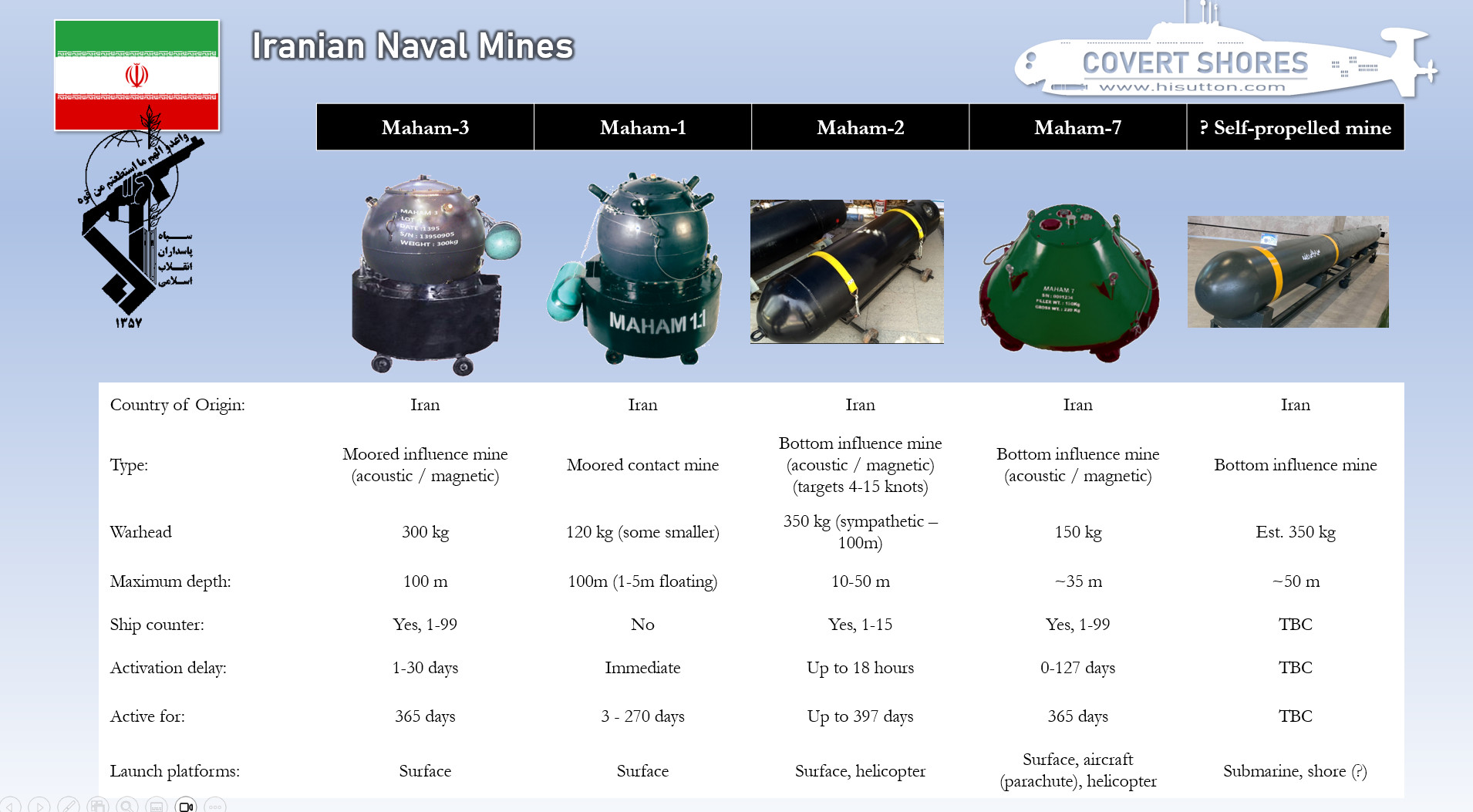
The threat of Iran’s naval mines, together with ASBMs (anti-ship ballistic missiles) and USVs (surface drones), is closing the Straits of Hormuz. The narrows waterway at the mouth of the Persian Gulf is critical to global economy with approximately 20% of the world’s oil transiting it. Below are the main/relevant types of mines. It cannot be ruled out that Iran may have other types in addition to these.
Maham-3
The primary deep-water threat, this moored mine can be deployed in waters up to 100 meters (300 feet) deep. After deployment, the mine rises along its mooring cable and stabilizes just below the keel depth of passing vessels. It is triggered by acoustic sensors, with the basic operating mode relying on low-frequency acoustic signatures. The system can also be enhanced with directional acoustic sensing and a magnetic fuse, the latter designed primarily to detect and engage submarines.
All-in it weighs 383 kg, has a diameter of 0.8 meters and a height of 1.324 meters. It’s explosive charge of 120 kg, detonating a few meters from the target, is potentially devastating.
Maham-1
A traditional moored mine with electrically activated contact horns, the Maham-1 series is much less sophisticated than the Maham-3. It is however a serious threat to transiting ships due to its large warhead. The mine comes in four variants of varying weights. Most have a 120kg warhead but the smallest Maham-1.01 has only a 20 kg warhead.
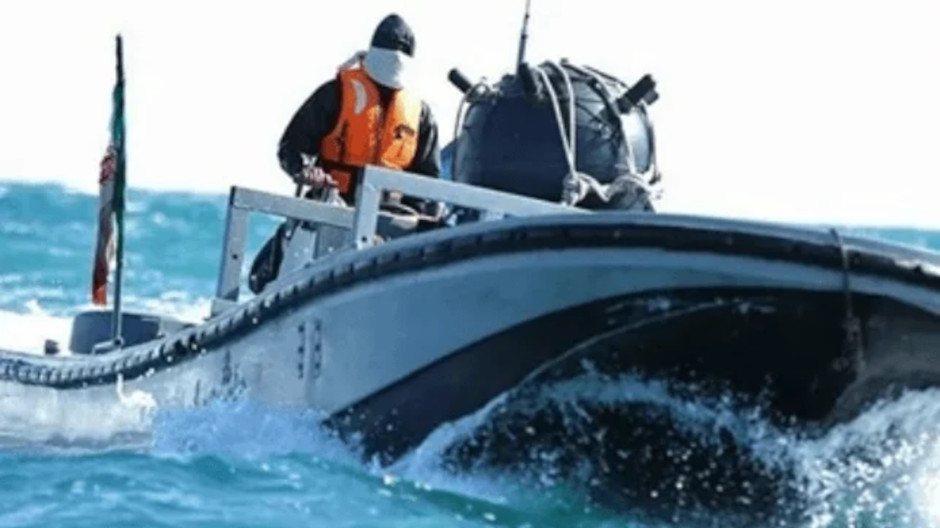 A dated image of a small boat carrying a Maham-1 moored contact mine.
Maham-2
A bottom (sea floor) mine, this type is much harder to detect than moored mines. Even though its warhead, at 320 kg, is much larger than the moored types all the same needs to be in It needs to be in shallower water to have a serious effect. Detonation can use acoustic or magnetic fusing. Like other Iranian influence mines it can have an arming delay of several days before it activates itself and has a ship counter which can be set to ignore the first x vessels which pass. This makes it much harder to sweep.

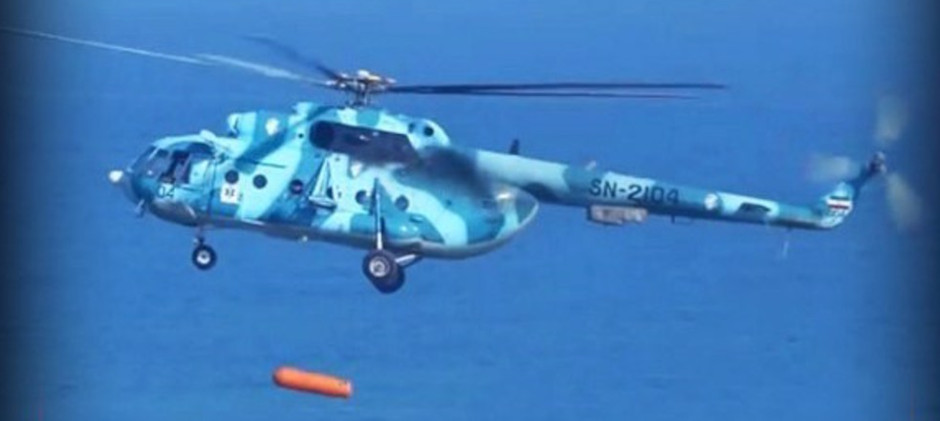 Practice-round Maham-2 being laid by an IRGC Mi-17 HIP helicopter during exercises.
Maham-6
This is a close copy of the classic Italian Manta bottom mine which was used by Iraq during the Iran-Iraq war. Its conical shape makes it difficult to detect on the sea floor, but its relatively small warhead of 120 kg limits the depth it can be laid at and still have a serious effect.
Self-propelled mine
This appears to be similar to the Maham-2 bottom mine but with a torpedo propulsion unit. Possibly it was intended for submarine launch but could, feasibly, be launched from shore. Range is not reported but may be around 10-20 km. This weapon is possibly the Chinese EM-56 self-propelled mine.

Other Mines
There have been persistent reports of Iran importing EM-52 rocket mines from China. The export version of the T-1 weapon, this is a rocket armed mine which is moored on the seabed at depths of up to 200 meters (some reports much deeper). When it detects a ship sailing overhead the rocket is released and shoots up, impacting the bottom of the victim.
There have also been reports of mines being imported from Russia, possibly the MDM-3 air-dropped bottom mine. This is broadly equivalent to Iran’s Maham-2 weapon.
There have been reports from Iran of the IRGC using the Fajr-5 333mm MLRS (multiple launch rocket system) to sow mines. These are likely bottom influence mines laid in less than 30 meters of water.
Related articles (Full index of popular Covert Shores articles)

 Houthi’s Blowfish: Guide To Explosive USV Threat Off Yemen

 Ukraine’s Maritime Drones (USVs)

 Iranian Fateh Class submarine w/Cutaway